
Practical8 min read
China Visa Guide: Everything You Need to Know
Entry requirements depend on passport and route. This guide covers the L tourist visa, 240-hour visa-free transit, application steps, and official verification.
Read Full Guide →
Build a route, choose the right destinations and find preparation gaps. Start with transparent tools and practical answers—not a sales form.
Start with the decision in front of you
Use one tool or move through all three. Your answers stay private unless you later choose to ask for help.
Get three itinerary blueprints from your days, interests, pace and budget—before sharing your email.
Build my trip →Compare destinations using season, travel style, logistics and honest trade-offs.
Match destinations →Turn entry, payment, connectivity, health and booking gaps into a prioritized action plan.
Check readiness →Reviewed answers
Start with the practical questions that most often cause friction: visas, payments, trains, internet access, timing and route design.
The APEC Economic Leaders' Meeting is scheduled for November 18-19, 2026 in Shenzhen, China. Related meetings and business events may affect travel demand before and after those dates.
BudgetA private China tour cost depends on hotel level, cities, guide days, domestic transport and season. As a rough planning range, private trips often cost much more than independent travel but reduce logistics friction significantly.
PlanningA private tour is worth it if you value easier logistics, English-speaking support, private transfers and help with real-name bookings. Independent travel can be cheaper but requires more preparation.
EntryIt depends on your passport, trip length and exact route. You may need an L tourist visa, qualify for a nationality-based exemption, or meet every condition of China's 240-hour visa-free transit program.
PaymentsPrepare at least two methods: a mobile-payment wallet linked to an eligible card, plus a backup bank card or cash option. Do not depend on a single app.
PlanningA useful China tour quote needs travel dates, number of travelers, passport nationality, preferred cities, hotel level, pace, special needs and whether you want private guides or only logistics support.
PlanningYes. A China itinerary can usually be customized by changing cities, pace, hotel level, guide days, transport mode and special interests such as food, photography, business visits or family activities.
APEC 2026 Shenzhen
APEC week will bring higher demand for hotels, transfers and Greater Bay Area travel. Start with Shenzhen, then add Hong Kong, Guangzhou or Guilin as a practical post-event extension.
Travel Knowledge Hub
Comprehensive, regularly updated guides covering visas, transportation, payments, internet access, food, safety, culture, and more. Written by specialists based in China — authoritative, practical, and free of marketing fluff.
Entry requirements depend on passport and route. This guide covers the L tourist visa, 240-hour visa-free transit, application steps, and official verification.
Read Full Guide →China has the world's largest high-speed rail network (45,000+ km), 240+ airports, and extensive metro systems in 40+ cities. This guide explains how to navigate all of it.
Read Full Guide →China skipped credit cards and went straight to mobile payments. Over 90% of transactions use WeChat Pay or Alipay. Here is exactly how to set them up with a foreign card before you arrive.
Read Full Guide →Google, Facebook, Instagram, WhatsApp, YouTube, and many other Western services are blocked in China. This guide explains exactly what is blocked, how to set up a VPN before arrival, and which Chinese apps to use as alternatives.
Read Full Guide →Destination Atlas
China is vast — roughly the size of the United States. Rather than attempting to see everything, focus on three or four destinations per trip. These are the places we recommend most, each with its own character, cuisine, and history.
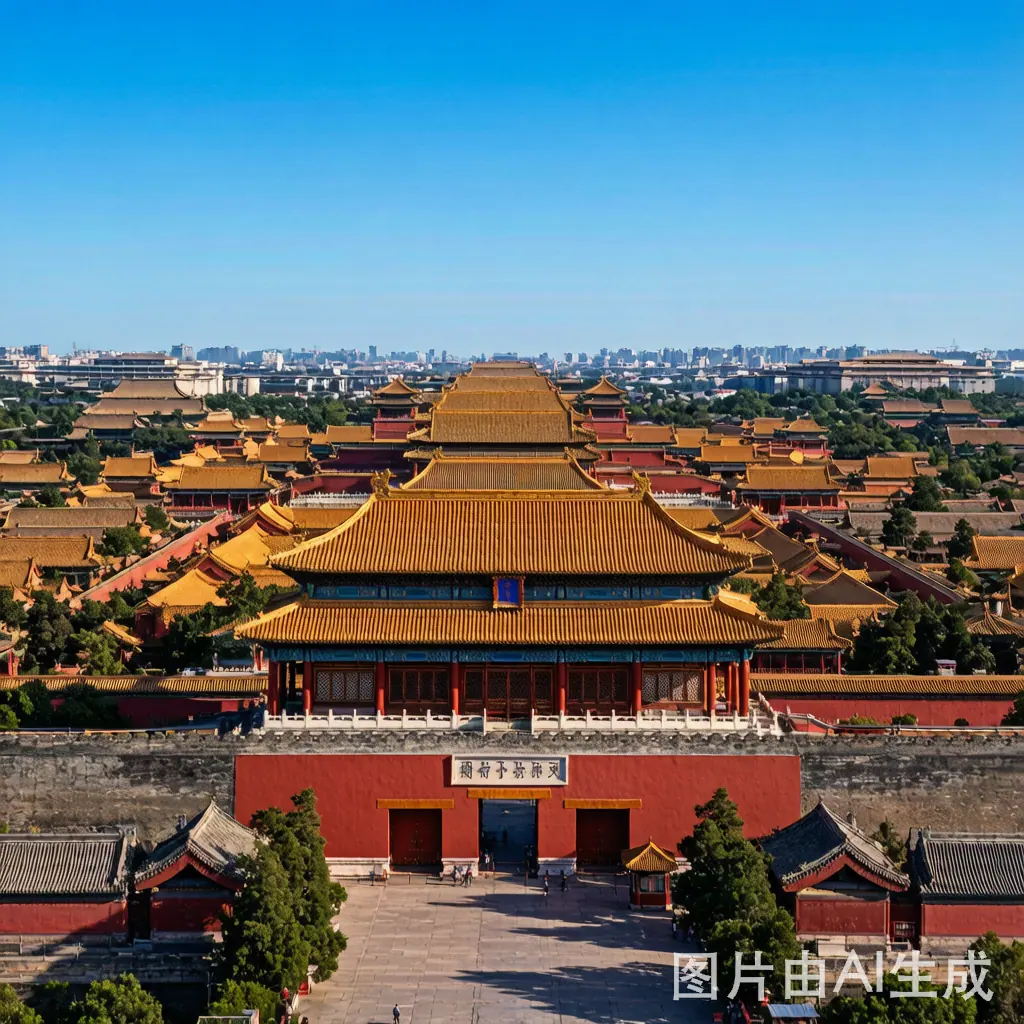
China's capital for most of the past 800 years, Beijing is where imperial history meets 21st-century ambition.
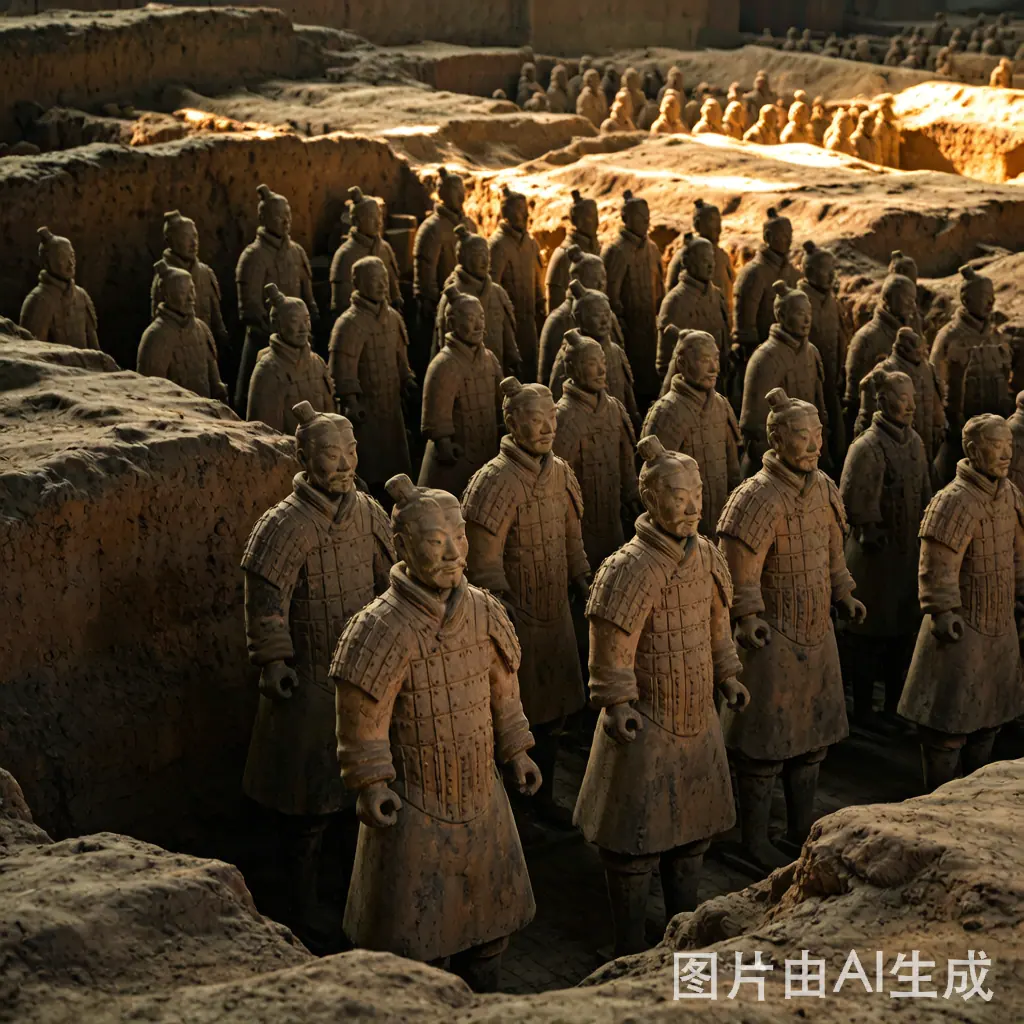
The eastern terminus of the Silk Road and capital of 13 dynasties, Xi'an is home to the legendary Terracotta Army.
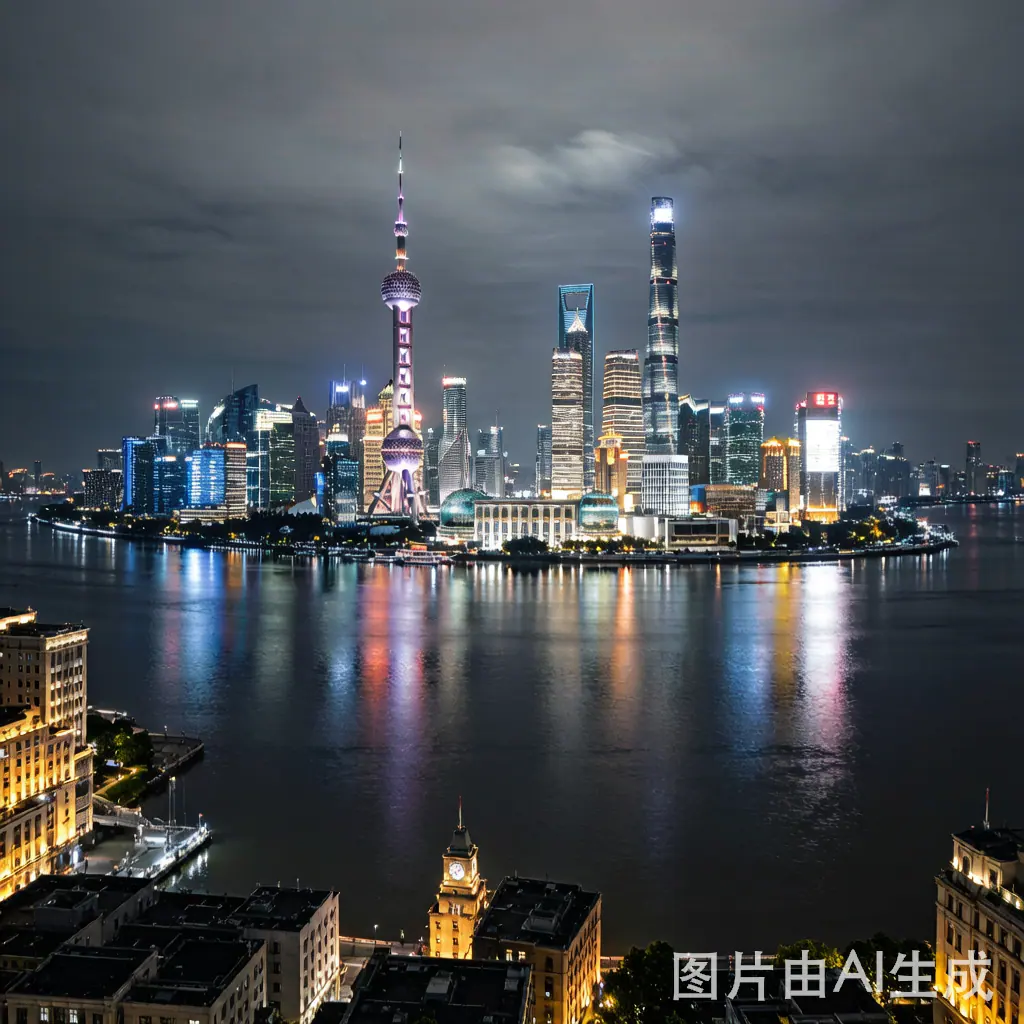
China's most cosmopolitan city — colonial-era Bund waterfront, futuristic Pudong skyline, and hidden lane houses.

The karst limestone landscapes along the Li River have inspired Chinese landscape painting for a thousand years.

Home of the giant panda, fiery Sichuan cuisine, and China's most relaxed teahouse culture.

Towering sandstone pillars rising from misty valleys — the real-world inspiration for the floating mountains in Avatar.
Curated Itineraries
Each route reflects years of on-the-ground experience — tested logistics, carefully selected accommodations, and English-speaking guides who know their cities intimately. Use them as ready-made trips or as a foundation for customization.
The perfect first trip to China — three cities, three eras of history
Imperial history meets surreal karst scenery along the Li River
History and nature combined — Zhangjiajie's sandstone pillars plus Beijing and Xi'an
Giant pandas, fiery cuisine, and teahouse culture in China's most relaxed region
The ultimate China journey — 12 cities from Beijing to Tibet to Hong Kong
FAQ
The most common questions from travelers planning their first China trip. For more detailed answers, explore our travel guides.
Yes. China is open to international tourism and tourist visas are being issued. Entry options vary by passport and itinerary: some travelers qualify for unilateral visa-free entry, mutual visa exemptions, or China's 240-hour visa-free transit program. Confirm the current rule for your nationality with a Chinese embassy or the National Immigration Administration before booking.
Costs vary widely by travel style, group size, dates, and the domestic transport included. As a planning benchmark, compare accommodation, intercity rail or flights, attraction tickets, meals, insurance, and guide costs separately. Treat prices on sample itineraries as estimates and request a dated quote before booking.
It depends on your passport, trip length, and route. You may need an L tourist visa, or you may qualify for a nationality-based visa exemption or the 240-hour visa-free transit program. Transit rules require an eligible onward itinerary and apply only at designated ports and regions. Verify your exact case with an official Chinese government or embassy source before departure.
Yes. China has one of the lowest violent crime rates in the world. Solo travelers, including women, generally feel safe walking at night in major cities. The main risks are pickpocketing in crowded tourist areas and scams targeting foreigners. See our Safety & Health Guide for detailed information.
Many international services, including Google, WhatsApp, Instagram, Facebook, and YouTube, are generally unavailable on a standard mainland China internet connection. Access can differ when roaming or using certain travel eSIMs. Install essential apps and offline maps before arrival, and review current local rules and your provider's terms rather than relying on a single workaround.
Spring (April-May) and autumn (September-October) are comfortable for many classic routes, but China spans several climate zones. Expect heavier domestic demand around the Lunar New Year and the National Day holiday period in early October; book transport and hotels early or choose different dates. Check the destination-specific climate guide for your route.
For first-time visitors, we recommend 8-12 days to cover 3-4 cities (e.g., Beijing, Xi'an, Shanghai, and optionally Chengdu or Guilin). A shorter 5-7 day trip can cover 2 cities. For in-depth regional exploration (Yunnan, Tibet, Silk Road), allow 10-14 days. See our Itinerary Database for routes organized by duration.
The Classic Golden Triangle — Beijing (3-4 days), Xi'an (2 days), and Shanghai (2-3 days) — is the most popular first-time itinerary. It covers the Great Wall, Forbidden City, Terracotta Warriors, and modern Shanghai in 8 days. Add Chengdu for pandas or Guilin for karst landscapes if you have 10+ days.
Yes, independent travel is possible and increasingly common. Major cities have English signage in metro stations, and apps like DiDi (ride-hailing) and Trip.com work in English. However, language barriers in rural areas, complex train booking systems, and restricted areas (Tibet requires a permit and organized tour) make private tours preferable for many travelers.
Essentials: comfortable walking shoes, a VPN (download before arrival), power adapter (Type A or I), Alipay/WeChat Pay set up, photocopies of passport and visa, and cash (USD/EUR) as backup. For season-specific packing lists, see our travel guides. In winter (December-February), pack warm layers — northern China drops below freezing.
English is widely spoken in international hotels, major tourist sites, and by younger people in big cities (Beijing, Shanghai, Guangzhou). Outside major cities, English is limited. Our private tours include English-speaking guides. For independent travelers, translation apps (Google Translate with offline Chinese, Baidu Translate) are essential.
China's currency is the Renminbi (RMB/CNY). While cash is accepted, China is largely cashless — most transactions use WeChat Pay or Alipay. Both now accept foreign credit cards. International credit cards (Visa/Mastercard) work at hotels and upscale venues but not at local restaurants or street vendors. See our Money & Payments Guide for setup instructions.
The China Travel Atlas
When the tools stop being enough
Keep planning independently, ask us to review one difficult connection, or hand over the complete trip. You decide how much help you need—and when you need it.