敦煌
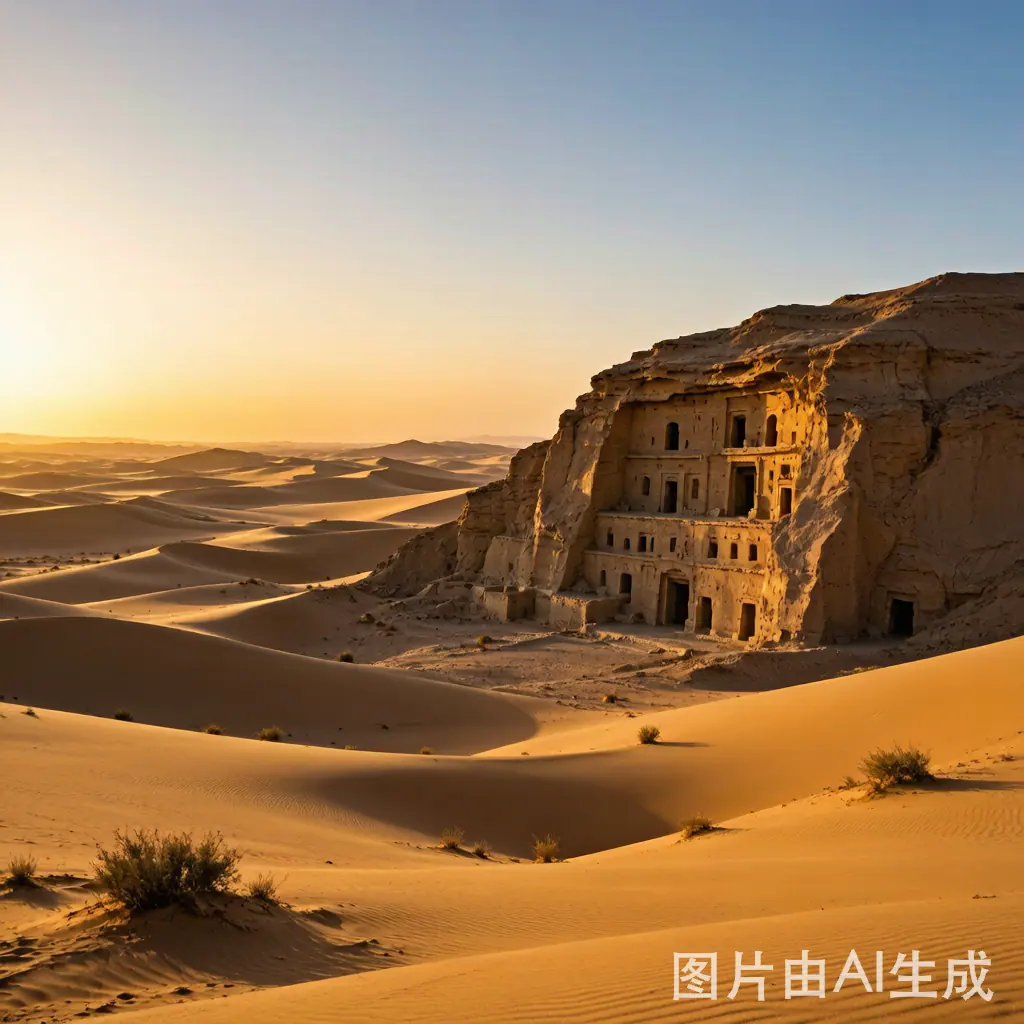
The Silk Road's greatest oasis — where the Mogao Caves hold 1,000 years of Buddhist wall art and Crescent Lake shimmers in the desert.
Dunhuang was the last stop on the Silk Road before the treacherous Gobi Desert — a frontier town where traders, monks, and diplomats gathered to rest, trade, and pray. The Mogao Caves, carved into a cliff face starting in 366 AD, contain the world's largest collection of Buddhist art: 735 caves with 45,000 square meters of murals and 2,400 painted sculptures. The Library Cave, discovered in 1900, held 50,000 manuscripts that rewrote our understanding of Silk Road history. Beyond the caves, Crescent Lake (a spring that has survived 2,000 years of desert) and the singing sand dunes of Mingsha Shan make Dunhuang a destination that blends culture and nature.