Datong

大同

Datong

China's ancient northern frontier — 1,500-year-old Buddhist cave art, the Hanging Temple on a cliff, and a volcanic landscape.

About Datong

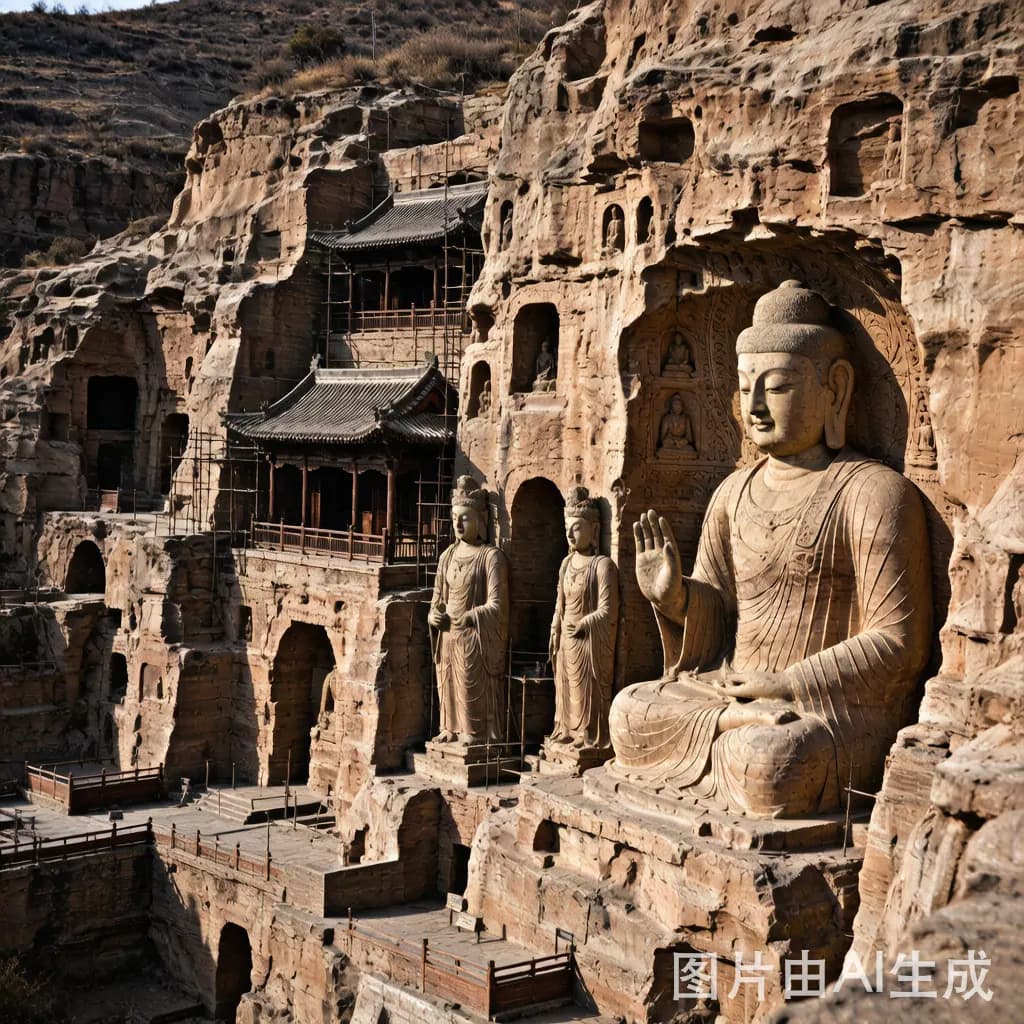
Datong was the capital of the Northern Wei Dynasty (386-534 AD) and the frontier where nomadic tribes met Chinese civilization. Its greatest treasure is the Yungang Grottoes, a UNESCO World Heritage Site with 51,000 Buddhist statues carved into a 1km cliff face — the largest is 17 meters tall. The carvings show Indian, Central Asian, and Chinese artistic influences, documenting the Silk Road's cultural transmission. The Hanging Temple (Xuankong Si), built into a cliff face 50 meters above ground, has survived 1,400 years of weather and earthquakes. Datong itself is a coal-mining city, but its cultural sites rank among China's finest.

Top Sights

1.Yungang Grottoes (UNESCO)
2.Hanging Temple (Xuankong Si)
3.Datong Ancient City Wall
4.Huayan Temple
5.Nine Dragon Screen
6.Mt. Hengshan

What to Eat

Datong sliced noodlesYellow carpOat noodles (youmian)Lamb soupFenjiu liquor

Local Tips

Hanging Temple is 75km from Datong — allow half a day
Yungang Grottoes need 3-4 hours
Nine Dragon Screen is the oldest and largest in China
Datong's city wall is reconstructed — walkable at night

Quick Facts

Best For
History enthusiasts, Buddhist art lovers, photographers
Duration
2 days recommended
Best Season
April-October (avoid winter — extremely cold)
Climate
Continental — warm summers (18-28°C), very cold winters (-20 to -5°C)
Getting There
Datong railway station. High-speed rail from Beijing (2h).

Plan a Trip to Datong

Get a free custom itinerary featuring Datong.

Get Free Itinerary

Tours Including Datong